
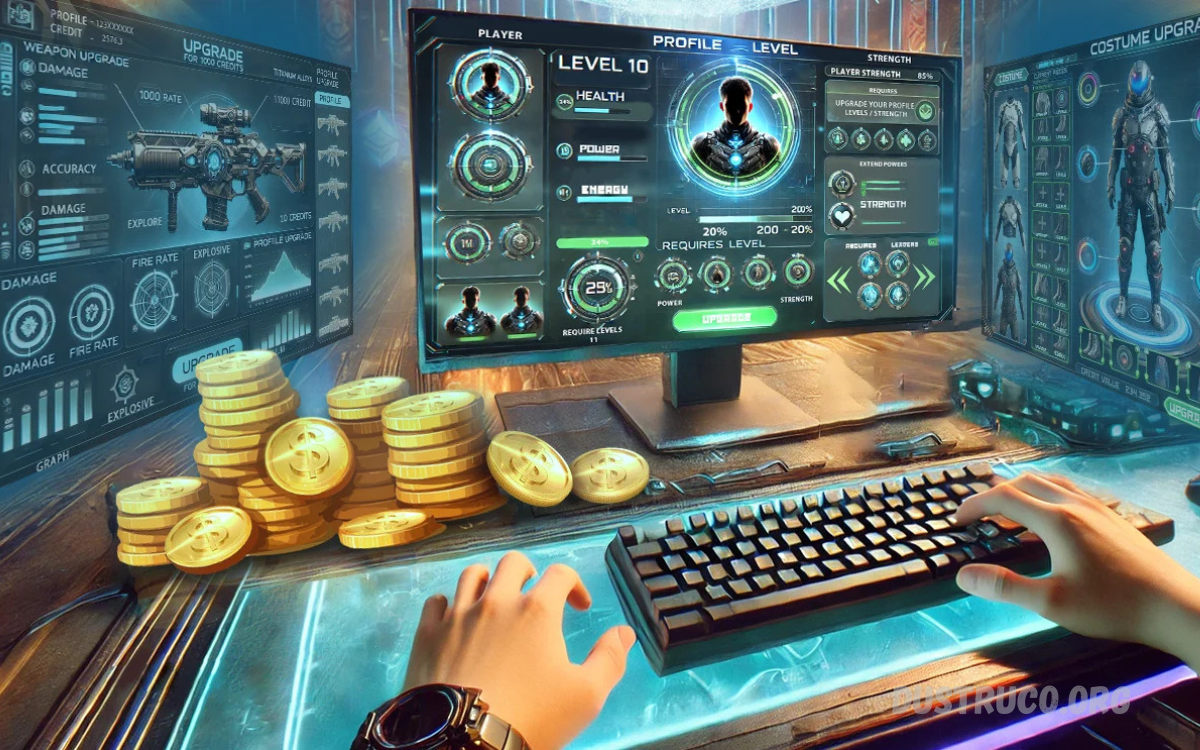
The future of online gaming is poised to redefine not just entertainment but the very way we interact with digital worlds. With advances in technology such as virtual reality (VR), augmented reality (AR), cloud gaming, and AI-driven experiences, gaming is becoming increasingly immersive and interactive.
As these virtual economies grow, they open new opportunities for careers, entrepreneurship, and investment. Gamers can earn through competitive play, content creation, and trading digital goods, while developers experiment with monetization models that reward engagement and creativity.
Evolution of Online Gaming
Online gaming has undergone multiple phases of growth. From early multiplayer games on local networks to massive online worlds accessible across continents, gaming has shifted from casual fun to immersive experiences. Technology continues to drive this evolution. Virtual reality (VR) and augmented reality (AR) enable players to step into lifelike digital worlds. Cloud gaming allows instant access to high-quality games without the need for expensive hardware. Artificial intelligence (AI) powers dynamic gameplay, intelligent non-player characters (NPCs), and personalized user experiences.
These technological advancements are not just about graphics or speed—they redefine how players interact with games and with each other. Gaming communities are expanding, allowing players to create content, trade virtual assets, and form social networks entirely within digital platforms.
Rise of Virtual Economies
One of the most exciting developments in gaming is the growth of virtual economies. These digital economies are structured environments where in-game currencies, assets, and services hold tangible value. Players can buy, sell, and trade items like skins, weapons, characters, and collectibles. Technologies such as blockchain and non-fungible tokens (NFTs) ensure secure ownership and authenticity of digital assets, making virtual economies more reliable and engaging.
Virtual economies are not confined to casual gaming. Competitive esports, online marketplaces, and social gaming platforms all benefit from thriving digital trade. Games like Fortnite, Axie Infinity, and Decentraland showcase how players can earn income, invest, and even launch businesses within gaming environments. This intersection of gaming and finance is driving a paradigm shift, where virtual worlds mirror real-world economic principles.
Economic Opportunities for Players
The future of online gaming and virtual economies will provide diverse economic opportunities. Players can monetize skills through competitive gaming tournaments, streaming, content creation, and trading of virtual goods. Platforms are increasingly rewarding engagement and creativity, making gaming a viable career path.
In addition to professional gamers, casual players also benefit. Play-to-earn models allow users to earn rewards simply by participating in game activities. As games become more interconnected and interoperable, players can transfer assets across platforms, further expanding their earning potential. These developments make gaming more than just entertainment it becomes a source of income, investment, and personal branding.
Impact on Game Developers
For developers, the rise of virtual economies presents both challenges and opportunities. Traditional game development focused on linear experiences and one-time purchases. Now, developers design persistent worlds where players engage continuously. Monetization strategies have shifted to include in-game transactions, subscriptions, digital collectibles, and event-driven revenue models.
Developers must also prioritize security, scalability, and user trust. The integration of blockchain and decentralized systems ensures that digital assets cannot be duplicated or stolen. Additionally, analytics and AI help developers understand player behavior, optimize gameplay, and personalize experiences. These capabilities not only enhance engagement but also sustain the growth of virtual economies.
Read Also: How to Earn Coins Faster in EA Sports FC Mobile
Social and Cultural Implications
The future of online gaming and virtual economies extends beyond finance and technology. Gaming communities are becoming cultural hubs where people connect, socialize, and collaborate. Virtual worlds offer spaces for education, creative expression, and social activism. Events in games, such as concerts and festivals, attract millions of participants, blurring the lines between physical and digital experiences.
These virtual environments foster global collaboration. Players from different countries interact, trade, and compete in real-time. This cultural exchange promotes understanding and diversity, creating inclusive communities that transcend geographical boundaries.
Technological Innovations Driving the Future
Several technologies are critical to shaping the future of online gaming and virtual economies.
- Virtual Reality (VR) and Augmented Reality (AR): Immersive experiences will become the standard. Players will explore worlds with realistic interactions and physical simulations.
- Cloud Gaming: Access to high-quality games without hardware restrictions will expand gaming to new audiences globally.
- Blockchain and NFTs: These technologies secure ownership of digital assets and enable trading across multiple platforms.
- Artificial Intelligence (AI): AI enhances gameplay by creating dynamic environments, intelligent NPCs, and adaptive challenges.
- 5G Connectivity: Faster internet speeds reduce latency, allowing seamless multiplayer experiences and real-time interactions.
Together, these innovations will make online gaming more interactive, financially rewarding, and socially engaging.
Challenges and Considerations
Despite the promising future, virtual economies face challenges. Market volatility, regulatory uncertainty, and digital asset security remain concerns. Players and developers must navigate taxation, fraud prevention, and fair value assignment for digital goods. Additionally, the addictive nature of gaming requires attention to mental health and responsible engagement.
Ethical considerations also emerge. As virtual economies grow, questions about labor, inequality, and accessibility arise. Ensuring equitable opportunities for players and developers will be essential to sustainable growth.
Future Trends to Watch
Several trends are shaping the horizon of online gaming and virtual economies:
- Play-to-Earn Models: Gamers will increasingly earn through gameplay and trading digital assets.
- Interoperable Virtual Worlds: Assets and currencies will work across multiple games and platforms.
- Integration with Real-World Finance: Cryptocurrency and digital banking will merge with gaming economies.
- Metaverse Expansion: Persistent, immersive worlds will create digital social and economic ecosystems.
- Gamification of Education and Work: Virtual environments will extend beyond entertainment into learning and productivity.
These trends indicate a future where gaming is deeply intertwined with digital culture, finance, and everyday life.
Frequently Asked Questions
What technologies are shaping online gaming’s future?
Key technologies include virtual reality (VR), augmented reality (AR), artificial intelligence (AI), blockchain, NFTs, 5G connectivity, and cloud gaming platforms. Together, they enhance immersion, security, and accessibility.
Will gaming become a mainstream career?
Yes. Professional esports, content creation, and virtual asset trading are already viable career paths. With monetization models evolving, more players can turn gaming skills into income opportunities.
What role does blockchain play in virtual economies?
Blockchain ensures secure ownership, prevents duplication of digital assets, and allows transparent trading of in-game items and currencies. NFTs make rare or unique assets tradable across platforms.
Are virtual economies profitable for developers?
Yes. Developers benefit from in-game purchases, subscriptions, NFT sales, and event-driven revenue models. Virtual economies also increase player engagement and retention, driving long-term profitability.
How will social interaction evolve in online gaming?
Games are becoming social hubs where players collaborate, communicate, and attend virtual events. Multiplayer experiences, digital communities, and virtual concerts are examples of how social interaction is expanding.
What challenges exist in virtual economies?
Challenges include market volatility, regulatory issues, cybersecurity, addiction risks, and fair value assignment for digital goods. Ethical considerations such as labor, accessibility, and equity are also important.
How will online gaming impact the real world?
Online gaming will influence finance, culture, and social interaction. Virtual economies will merge with real-world trading, gaming communities will shape social trends, and immersive platforms may redefine education, entertainment, and work.
Conclusion
The future of online gaming and virtual economies promises to transform entertainment, social interaction, and economic activity. Gaming is no longer just a hobby; it is an industry where creativity, strategy, and digital entrepreneurship converge. Players gain opportunities to earn and invest, developers innovate beyond traditional models, and communities thrive in virtual spaces.
As technology advances, virtual economies will grow more sophisticated, reliable, and accessible. Games will become immersive universes where financial, social, and cultural experiences coexist.
